
Residents of Nyakatonzi are looking forward to relief from persistent water shortages following the launch of Phase II of a major water transmission project .The initiative, which will channel water from River Nyamugasani to existing valley dams, is expected to significantly ease the burden of water scarcity that has long affected both livelihoods and daily life in the area.
The project, officially launched on April 14, 2026, by Resident District Commissioner Joe Walunsimbi, is valued at UGX 311,998,490. It is funded by the United Nations Capital Development Fund under the LoCAL program through the Ministry of Local Government, and implemented by the Kasese District Local Government.
For years, residents of Nyakatonzi Subcounty have endured harsh dry spells that not only strained households but wiped-out livelihoods. Now, with the launch of Phase II of the Nyamugasani water transmission project, leaders say the community is finally on a path toward lasting relief.
“This is not just a project it is a solution to a crisis,” declared Resident District Commissioner Joe Walunsimbi as he officiated the launch on April 14, 2026. He urged residents to take ownership of the initiative, emphasizing that its success depends on how well the community protects and utilizes it. “When you own it, you protect it and when you protect it, it will serve you for generations,” he said.
“We Have Been Losing Our Cattle”
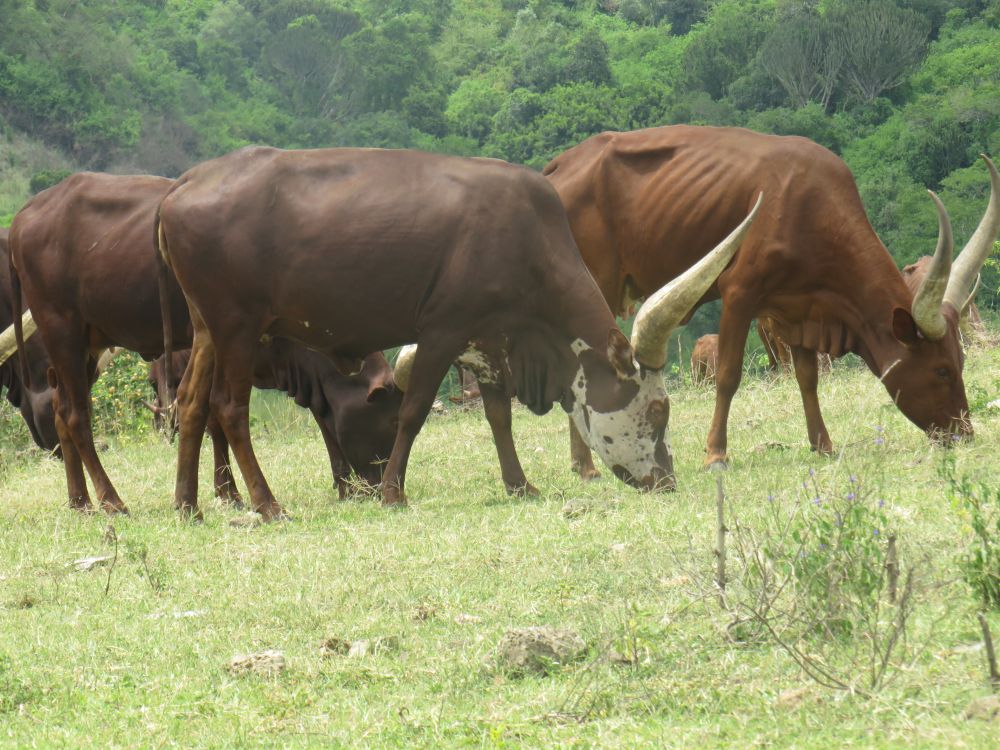
At the heart of the project is a painful reality: water scarcity has been costing lives of our animals.
LC III Chairperson Stephen Mbera did not mince words when describing the situation on the ground.
“The biggest challenge we face here is water,” he said. “During the dry season, we have been losing many cattle because there is simply nowhere for them to drink.”
For a community heavily dependent on livestock, these losses have been devastating. Mbera welcomed the project as a long-awaited intervention but also made a heartfelt appeal:
“As you implement this project, please consider putting taps so that our people can also access water for domestic use.”
“Women Carry the Heaviest Burden”
The human cost of water scarcity was perhaps most vividly captured by District Councillor Betty Karoko, who spoke passionately about the struggles women face.
“As women, we go through a lot,” she said. “Men often move to trading centres, but we remain at home with the cows, with the calves.”
She painted a striking picture of life during drought: “When a cow is thirsty and knows you are home, it comes and stands at your door and it cries like a human being.”
Her message was clear: this project is more than infrastructure. “It has lifted a very big burden from us as women,” she added, expressing gratitude to the United Nations Capital Development Fund for funding the initiative.
According to Isaac Mbusa, the decision to invest in Nyakatonzi was deliberate.
“We realized this area is severely affected by dry spells, which is why we prioritized it,” he explained. He noted that Phase II builds on the success of Phase I, which delivered quality infrastructure.
But Mbusa also issued a caution: “As this project is implemented, we must ensure quality work and avoid issues like gender-based violence. Development must go hand in hand with social responsibility.”
Project Engineer Alphose Katswamba outlined how the new phase will strengthen the system.
“In Phase I, we installed the intake pump, pump house, solar panels, and pipelines,” he said. “Now in Phase II, we are adding an 80,000 cubic metre still water tank, extending pipelines, constructing cattle troughs, and improving protection including fencing and trenches to guard against wildlife.”
These improvements are expected to ensure a steady and sustainable water supply even during prolonged dry periods.
District Vice Chairperson Monday Girivazio said the district was deeply moved by the scale of loss in Nyakatonzi.
“We were saddened to hear that about 800 cows died drought,” he said. “We could not sit back. That is why we pushed to bring this project here under the LoCAL programme.”
He also called on district authorities to expand the project’s reach: “Let us look into how this water can also benefit households, not just livestock.”
With construction expected to be completed by June 30, 2026, leaders believe the project could mark a turning point for Nyakatonzi.
It is not just about water it is about restoring dignity, protecting livelihoods, and giving communities a chance to thrive despite changing climate conditions.
As RDC Walunsimbi reminded residents: “This project belongs to you. If you take care of it, it will take care of you.”