
Leaders and civil servants in Kasese have been put on notice, with Yoweri Museveni issuing a strong directive to step up service delivery, directly engage communities, and crack down on corruption.
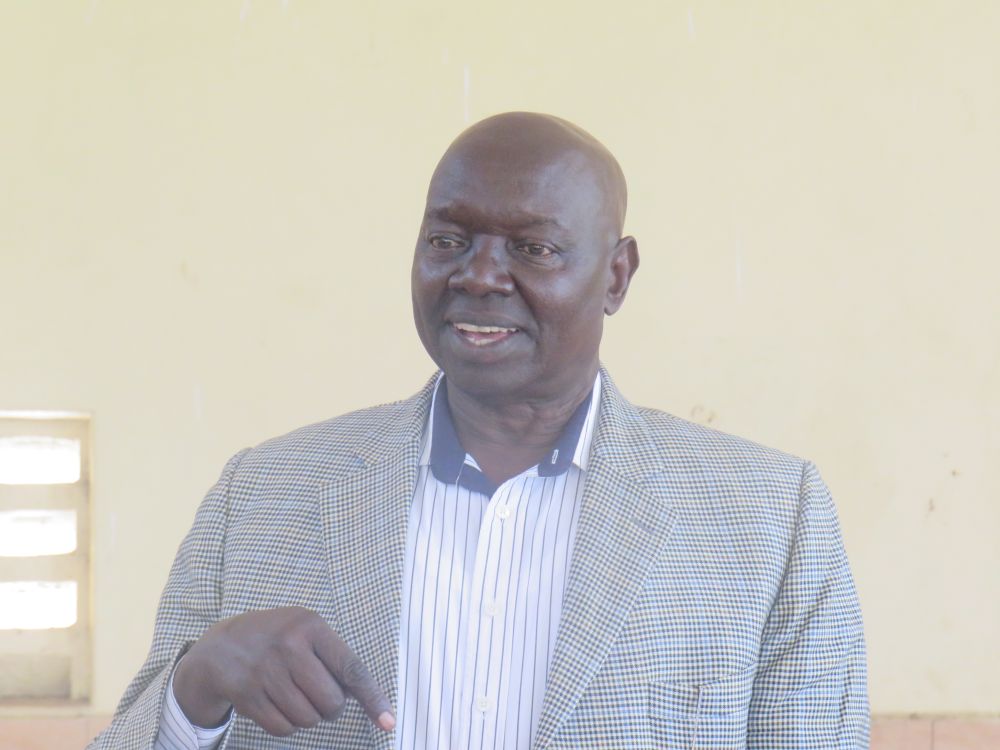
The message, delivered by Senior Presidential Advisor on Mobilization Lt. Col. (Rtd) Ambako Kibrai during a high-level stakeholders’ meeting, emphasized that government programs will only succeed if leaders connect with the people they serve.
“You are the government,” Kibrai told civil servants, conveying the president’s message. “You are the ones implementing the manifesto.”
At the center of the directive is a shift in approach: leaders must move out of offices and into communities—explaining programs, clarifying sources of funding, and actively involving citizens in monitoring service delivery.
The president expressed concern that despite multiple interventions, poverty remains high in some areas. Programs such as the Parish Development Model and EMYOOGA were highlighted as key tools, but their impact has been undermined by poor mobilization and misuse of funds.
Leaders were urged to intensify sensitization efforts and ensure beneficiaries understand how to use these programs to improve their livelihoods.
Education emerged as a major concern, with the president warning that rising school dropout rates could create long-term social challenges.
“Children are dropping out while leaders watch,” Kibrai said, noting that absentee teachers are contributing to poor performance, especially in UPE schools.
The message was clear: all stakeholders—teachers, civil servants, and political leaders—must act to keep children in school or guide them into technical training.
In the health sector, reports of drug theft in public facilities drew sharp criticism. The president called for stronger community involvement, saying citizens must be informed about drug deliveries and empowered to monitor health services.
He also emphasized preventive healthcare, particularly environmental health measures, as a more sustainable approach to reducing disease.
“Corruption Will Not Be Tolerated”
In one of the strongest warnings, the president reiterated a zero-tolerance stance on corruption.
Officials who divert public funds, Kibrai said, are undermining government efforts and will face consequences. He called for transparent and coordinated monitoring involving all stakeholders, including local authorities.
Kasese District Chairperson Bukombi Muhindi Elphaz welcomed the message and highlighted government support, noting that nearly 90% of the district’s UGX 115 billion budget is funded by the central government.
He pointed to progress in education, health, and agriculture, including school renovations, upgraded health facilities, and irrigation projects.
However, he raised concerns over recurring floods and landslides that have displaced communities, as well as limited funding under key programs. He appealed for additional government support, including equipment to manage river flooding and increased road funding.
Resident District Commissioner Lt. Joe Walunsibi reaffirmed the district’s commitment to service delivery and efficient resource allocation.
The meeting ended with a clear message from the president: government programs must translate into visible change in people’s lives.
For Kasese’s leaders, the task ahead is not just to implement policies but to ensure communities are informed, involved, and benefiting.