
Leaders and residents in Kitswamba Subcounty are celebrating a major step forward in improving access to clean water following the launch of Phase II of the Kendahi Solar-Powered Water Supply System on April 21, 2026.
The project, which will serve parts of Hima and Kihyo parishes, is expected to benefit communities across several villages including Kendahi, Kibisire, Mototo, Kisanga, Nyangereka, and Kinyabwamba. It is being implemented in two phases to ensure a structured rollout from water sourcing to full distribution.
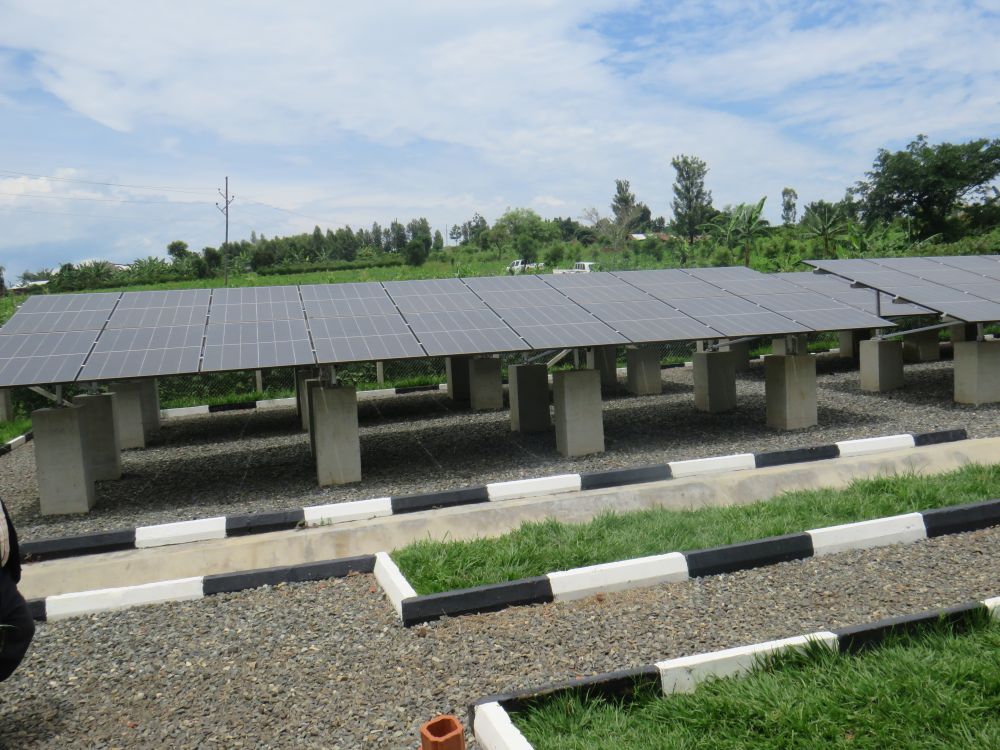
According to District Water Engineer Syaipuma Patrick, Phase I funded by the central government through the Ministry of Water and Environment focused on groundwater development, installation of pumping systems, and establishing a reliable solar energy source. This phase cost approximately UGX 793 million.
Phase II, valued at UGX 645 million and funded by Kasese District Local Government, will expand the system’s reach. Key works include construction of a solar-powered booster station, pump house, installation of solar-mechanical systems, pipeline extension, and a distribution network. The phase will also deliver 20 public stand taps to improve community access.
During the launch, District Chairperson Muhindi Eliphaz Bukombi commended residents for their continued support of government programs and emphasized the government’s commitment to extending safe water to every village.
He urged the community to take responsibility for maintaining the infrastructure, stressing the importance of functional water user committees to ensure long-term sustainability.
“This project belongs to you. Protect it, maintain it, and ensure it serves generations to come,” he said.
The launch of Phase II was officiated by Deputy RDC for Busongora, Geoffrey Katunda, who praised both government efforts and local leadership for advocating for improved services. He also raised concern over rising school dropout rates in Busongora North, calling for community attention to education challenges.
Local leaders and residents expressed relief and gratitude for the project, highlighting the severe water challenges they have faced.
LC I Chairperson Bunubwera Sulait described water scarcity as a longstanding issue in the subcounty, while also pointing to other pressing needs such as electricity, roads, and land security.
Meanwhile, Mughuda Yonah shared the human cost of water shortages, noting that residents—especially women and children—have had to walk distances of up to six kilometers to fetch water.
“In the process, lives have been lost, and many have faced violence and abuse. This project is going to change that,” he said.
LC III Chairperson Yofesi Katenene noted that the Kendahi project is among several government-supported initiatives in Kitswamba over the past five years. These include the Bigando rural water system and other solar-powered water projects funded by partners such as FAO and UWA.
He reported that water coverage in the subcounty has now reached approximately 80 percent a significant milestone.
Katenene also appreciated residents who provided land for the project without compensation and applauded contractors for quality service delivery.
As construction of Phase II begins, leaders and residents alike are optimistic that the Kendahi Solar-Powered Water Supply System will significantly improve livelihoods, reduce risks associated with water scarcity, and support socio-economic development in the region.
The success of the project, however, will depend not only on infrastructure but also on community stewardship ensuring that the system remains functional, protected, and accessible for years to come.